
Product Hunting & Research
Amazon Product Hunting & Research


The problem
The wrong product cannot be fixed by better marketing
Every other decision on an Amazon account is reversible. The product you order is the one that is not, and it sets the ceiling on everything that comes after it.
Demand without winnability
A category with real demand and four entrenched sellers holding it is not an opportunity. It is a budget you will spend proving that.
Margin maths that stops too early
Landed cost plus Amazon fees looks healthy right up until you add what it costs in advertising to rank the thing in the first place.
Risks found after the order
A gated category, a design patent or a compliance requirement discovered after the container ships is the most expensive kind of surprise.
The service
What is Amazon product hunting?
Amazon product hunting, also called product research, is the process of identifying products worth selling on Amazon by testing them against real demand data, the strength of the sellers already holding the category, full unit economics including the advertising cost of ranking, and the legal and compliance risks attached to the product, before any inventory is ordered.
It is the one decision on an Amazon account you cannot undo cheaply. We run every candidate through the same gates, model the numbers all the way to a profit per unit after advertising, and hand you a shortlist with the reasoning attached, including why the others failed. Once a product clears, Sourcing and Launch takes it from supplier to live listing.
What you get
Everything in your product research
A shortlist you can act on, and the reasoning behind every rejection.
Demand and keyword research
Real search volume and sales velocity in the category, plus the seasonality that decides whether month three looks like month one.
Competitor and winnability analysis
Who holds page one, how deep their review moat is, and whether their listings are good enough that beating them is realistic.
Full unit economics
Landed cost, duty, Amazon referral and fulfilment fees, storage, returns and the advertising cost of getting to rank, down to profit per unit.
Risk and gating checks
Category gating, restricted ingredients or materials, documentation requirements, and a search for design and utility patents on the product form.
Differentiation brief
What the one-star and three-star reviews in the category are complaining about, and which of those complaints you could actually build out.
Shortlist with reasoning
The products that cleared every gate, ranked, with the numbers behind each one and a written reason for every candidate that did not.
How we screen a product
Six gates, run in this order, because the cheap checks come first. A product that fails gate two never costs anyone the time of gate five.
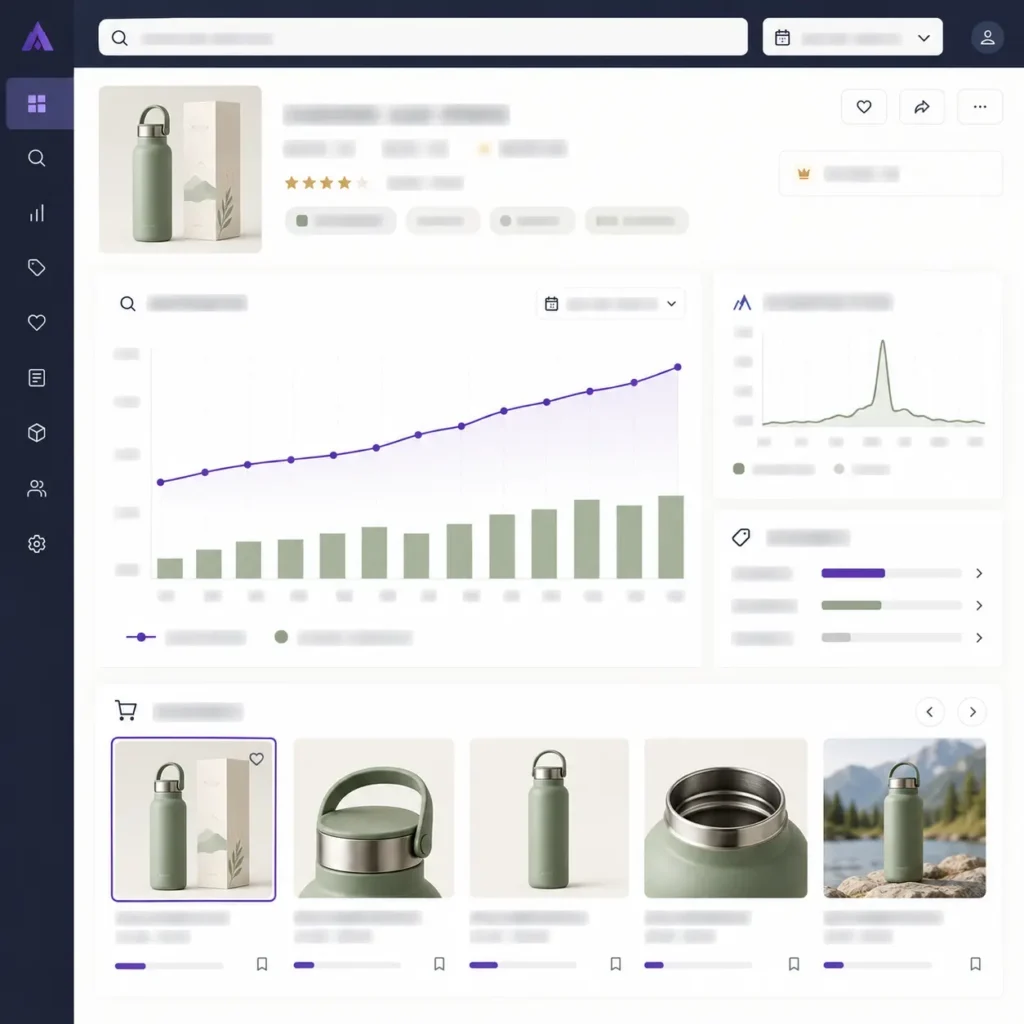
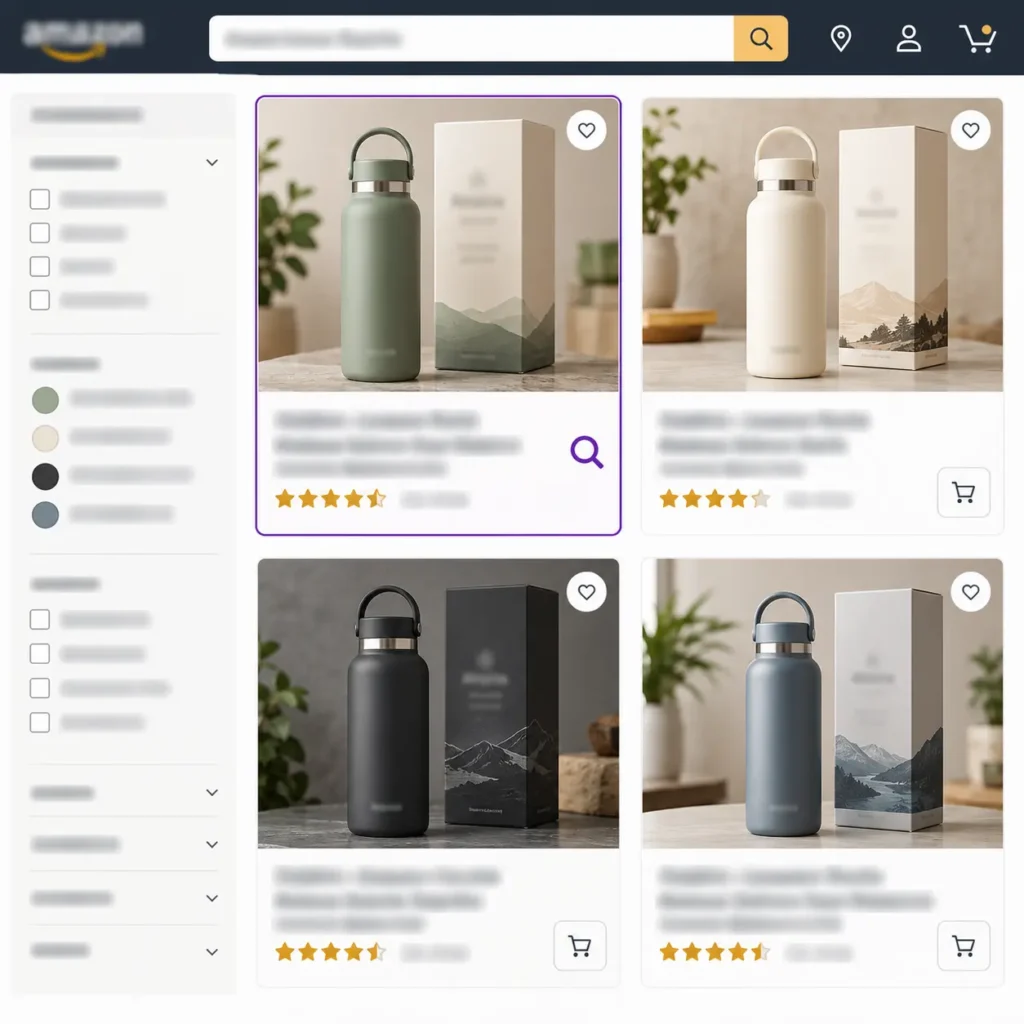
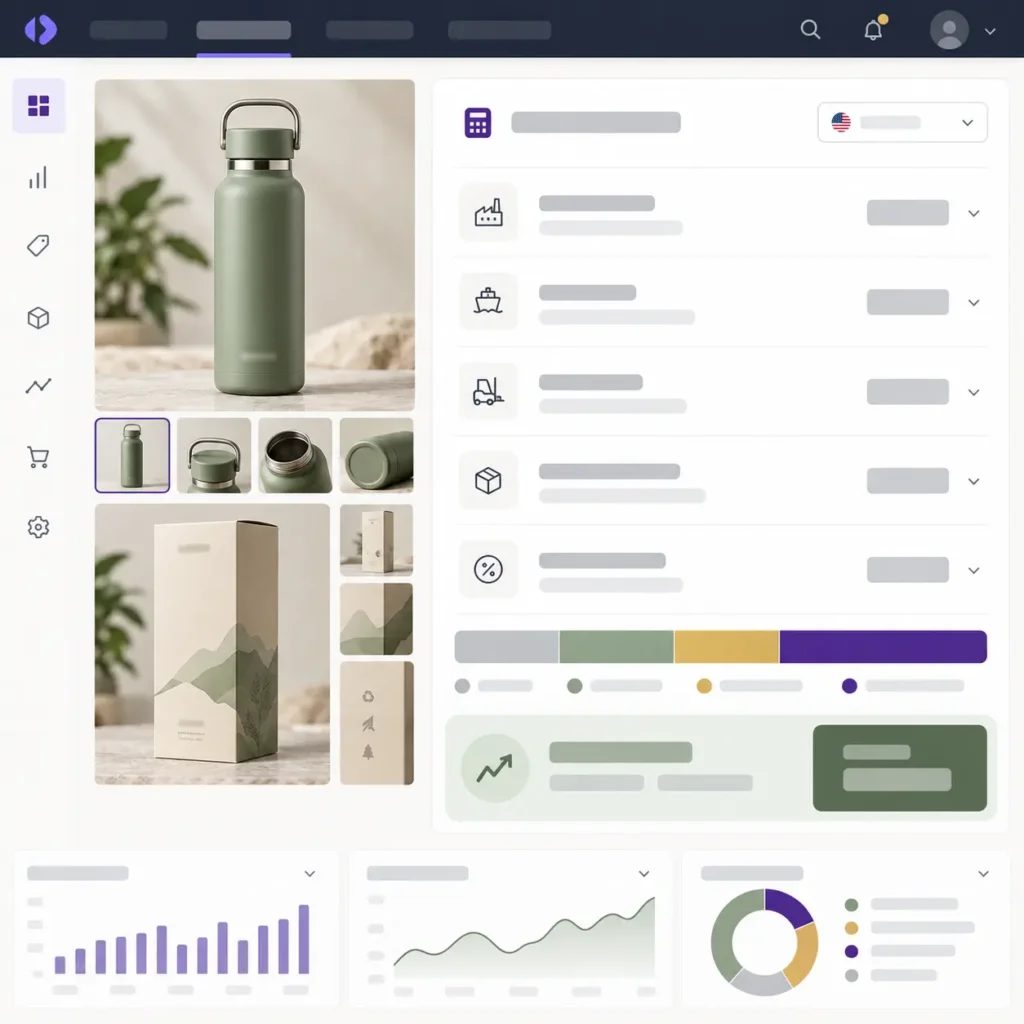
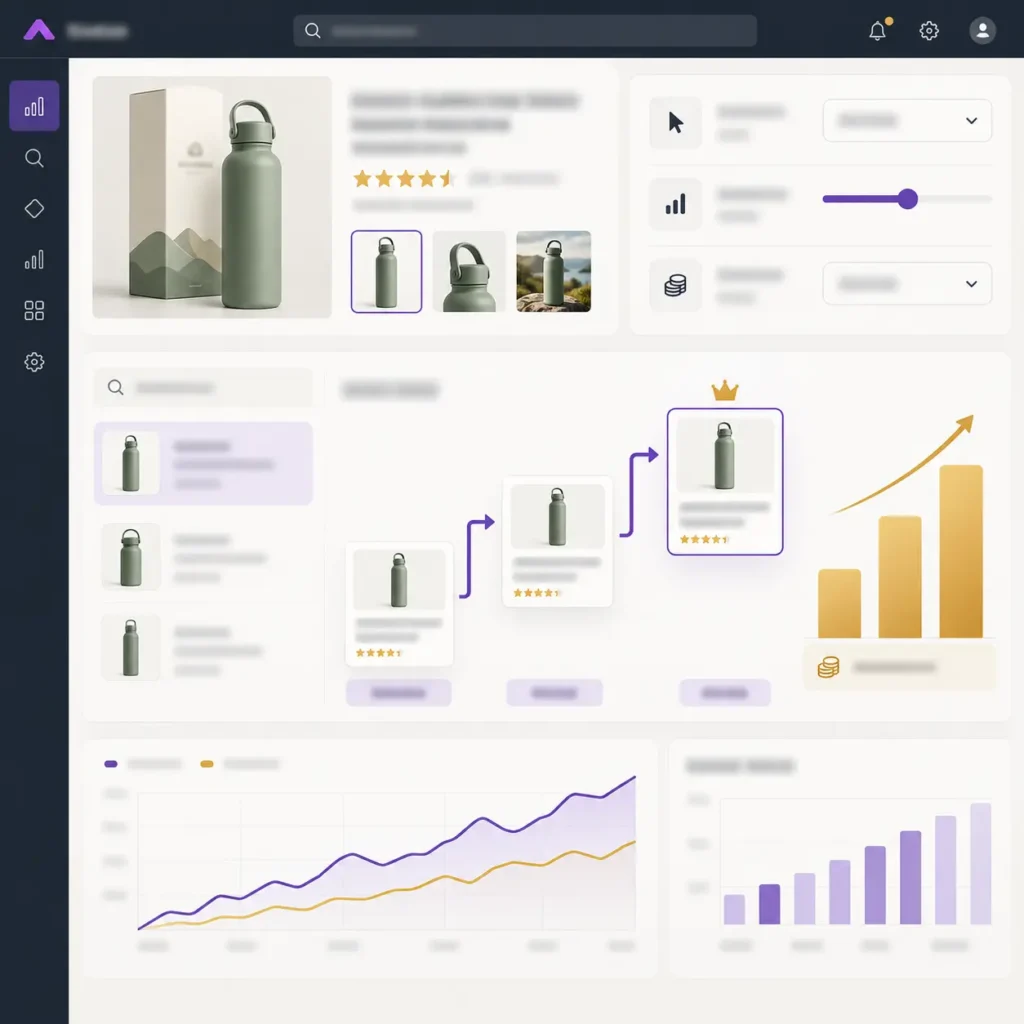
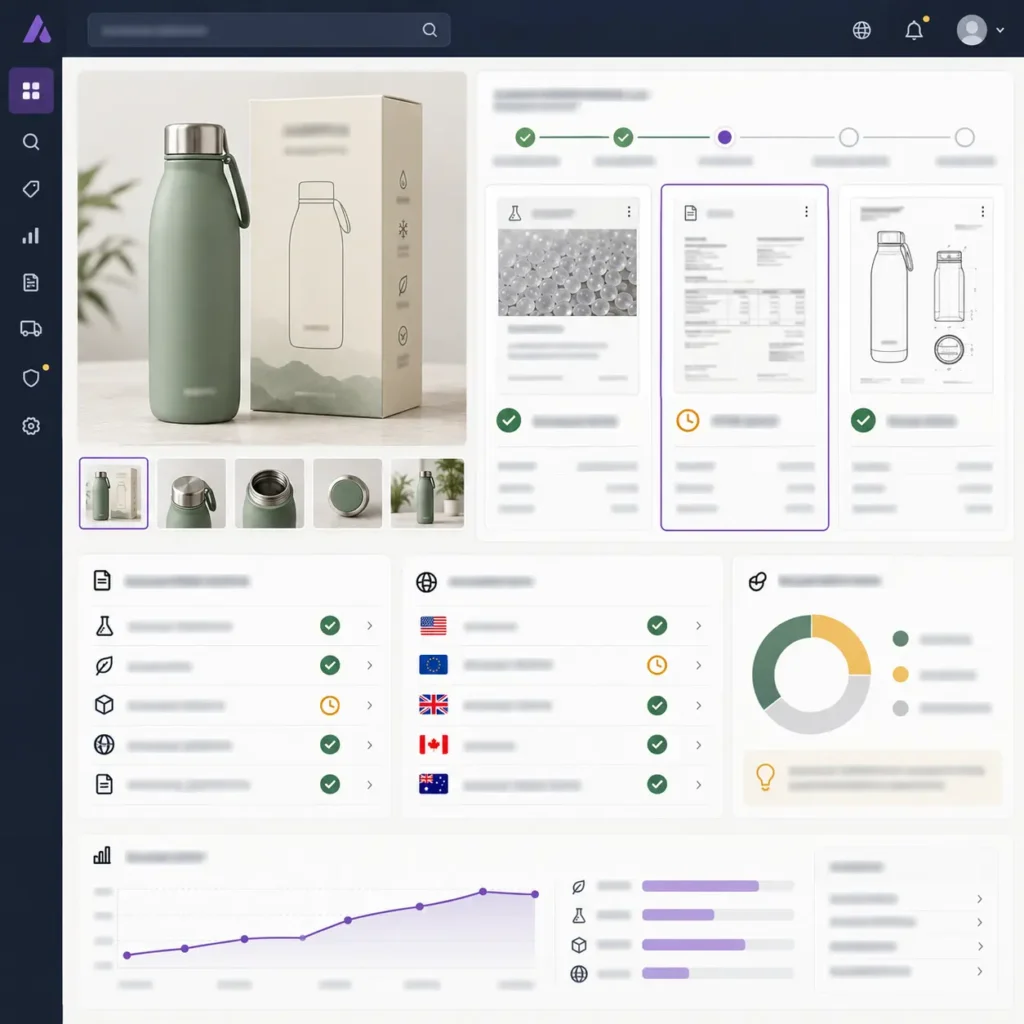
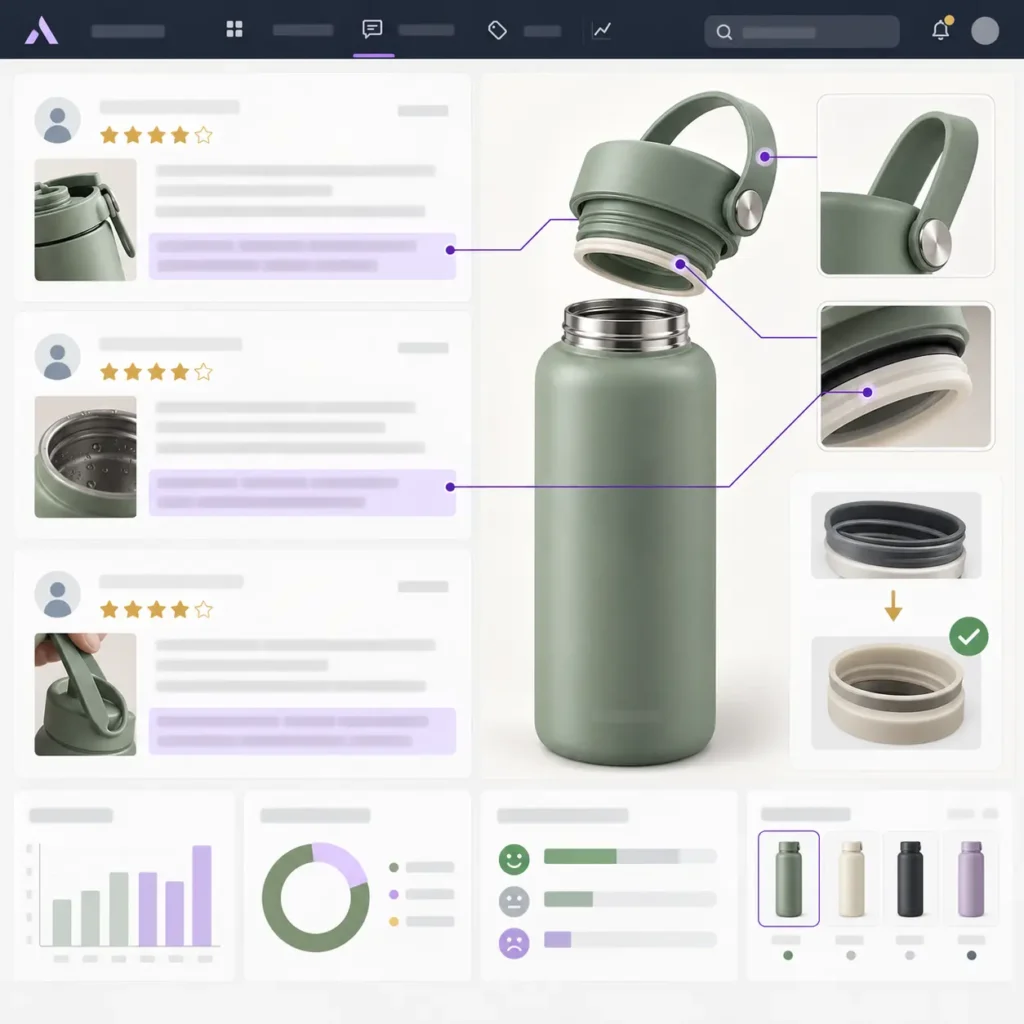
Gate 4 is the one that separates a research process from a product list. Software will tell you a category earns well. It will not tell you that reaching page one in it costs more per unit than you make on one.
How it works
From a category to a decision you can defend
1
Agree the brief
Your budget, margin floor, categories you will and will not sell in, and how fast you need to move.
2
Build the candidate pool
Demand data, category scans and competitor gaps produce a long list worth screening properly.
3
Run the six gates
Each candidate goes through the same sequence, and every rejection is written down with its reason.
4
Present and decide
We walk the shortlist with you, argue the weak points, and hand the winner to sourcing.
The outcome
What proper research delivers
- A decision you can defend: every yes backed by numbers, not a feeling.
- Risks found before the order: gating and IP checked while it is still cheap.
- Fewer expensive mistakes: the products you do not order are the real return.
- Profit per unit, after ads: the number that actually decides whether this works.
- A differentiation angle: a reason to be chosen that is not just a lower price.
- A pipeline, not a punt: the next product in research while this one scales.
Why AKSpire
Research by the people who then have to make it work
We price the advertising, because we run it
We manage ads in these categories every day, so the cost-to-rank figure in your model comes from accounts we operate rather than from a category average.
Compliance checked at research, not at launch
Spend is paced against stock cover and lead times, so a ranking push never ends in a stockout that hands the position back to a competitor.
We are paid to say no
Our fee does not change with the answer. An agency that earns more when you order inventory has a reason to find every product promising, and you can feel that in the report.
One team through to the shelf
Research, sourcing, launch and ads under one roof, so nobody can blame the product for the marketing or the marketing for the product.
What you receive
What the research actually produces
Every candidate, same sequence
Full cost modelled, not just FBA fees
Most candidates are rejected
Gating and IP checked first
The shortlist
The products that cleared all six gates, ranked, each with its demand picture, the page one it would have to beat, and the angle you would compete on.
The unit-economics model
A profit per unit for each shortlisted product, built from landed cost, duty, Amazon fees, storage, returns and the advertising spend needed to reach rank. Yours to keep and to argue with.
The rejection log
Every candidate that failed, which gate it failed at, and why. It is the longest document of the three and usually the most useful one next time.
Reviews
Amazon Brands That Trust AKSpire
“Our ACoS was eating every bit of profit. AKSpire rebuilt the whole account in a month, now we actually make money on ads and I finally understand the reports.”

Oliver Grant
Co-Founder · Pet Brand
“We launched a new pre-workout with them. Page-one for our main keywords inside the honeymoon window, something two previous agencies never got us.”

Olivia Bennett
Founder · Fitness
“They caught a compliance issue our old agency missed. Listing stayed live through Amazon’s 2026 changes while competitors got suppressed. Worth every dollar.”

Sophia Mitchell
Amazon Growth Manager · Beauty Brand
“We saw improvements in performance under Aleem’s management, and he was a pleasure to work with.”

Mason Reynolds
Founder · Home & Kitchen
“Had a great experience with Aleem and his team, they helped us with ad management and overall amazon strategy.”

Henry Lawson
Director of Marketplace Sales · Beauty Supplements
“Very impressed by Aleem and his team. If you are looking for an amazon expert look no further.”

Aria Peterson
Amazon Advertising Specialist · Clothing Brand
Why not a generalist?
AKSpire vs a sourcing agent vs research software
The software is excellent at what it does, and we use it. It produces the long list. The job is everything after that.
| Capability | AKSpireniche specialist | Sourcing agent | Research software |
|---|---|---|---|
| Advertising cost to rank modelled in | Yes | No | No |
| Winnability of page one assessed | Yes | Rarely | Scores only |
| Category gating and IP risk checked | Yes | Varies | No |
| Differentiation angle from review analysis | Yes | Rarely | Data only |
| Written reason for every rejection | Yes | No | No |
| Surfaces demand data fast | Yes | Limited | Fastest |
| Cost | Included in your plan | Often commission on the order | Lowest |
The middle column is worth a second look. A sourcing agent paid a commission on your purchase order is a useful partner and a poor judge of whether you should place one.
Pricing
Simple, profit-aligned pricing
Plans that scale with your account, never more than the profit we’re built to unlock.
Launch
For new brands getting on Amazon the right way.
from $750 /mo
- PPC setup + management
- Launch & ranking playbook
- Compliance-safe listings
Most popular
Growth
For brands ready to scale profitably and defend rank.
from $1500 /mo
- Full PPC + ACoS/TACoS management
- Listing optimization + A+ content
- Custom reporting + strategy calls
Full-Service
Hands-off, done-for-you growth for brands that want it all handled.
Custom
- Everything in Growth
- Product hunting, sourcing & inventory
- Account health, ungating & reinstatement
Get started
Ready to pick a product you can defend?
Start with a free audit. Tell us about your brand and we will come back within one business day, with real next steps and a real person, not an autoresponder.
30 minutes · A real audit, not a pitch · Specialists in your category
- We review your brief and budget within 24 hours.
- You get a sample screen: one product run through all six gates.
- We map your research plan on a free 30-minute call.
Claim your free audit
We only use your details to prepare your audit. No spam, no selling your data. Privacy Policy.
Explore more
Part of a complete operation
Full-Service Amazon Account Management
The whole operation: product research, sourcing, listings, ads, inventory and Seller Central, run end to end by one team.
Sourcing & Launch
What happens after a product clears the gates: supplier vetting, samples, negotiation and the first shipment through to a live listing.
Explore →
Inventory Management
Forecasting and restocking, so the product you chose carefully does not go out of stock in the month it finally ranks.
Explore →
Store & Account Management
The day-to-day Seller Central operations once the product is live and selling.
Explore →
See the whole picture, all AKSpire services →
FAQ
Product hunting: questions answered
What is Amazon product hunting?
Product hunting, or product research, is working out which products are worth selling on Amazon before you commit money to inventory. Done properly it tests demand, how winnable the category actually is, full unit economics including the advertising cost of ranking, and the legal and compliance risk attached to the product. Done badly it is a filtered list from a software tool.
How is this different from using product research software?
The software produces the long list and we use it for exactly that. What it cannot do is judge whether the sellers on page one are beatable, price what it will cost in advertising to get past them, check whether the category is gated or the product form is patented, or write down why a candidate failed. Everyone running the same tool with the same filters is looking at the same products, which is itself a reason to look harder.
What makes a product winnable rather than just high demand?
Demand tells you the category is worth money. Winnability tells you whether any of it can be yours. We look at how many sellers hold page one, how deep their review counts are, how good their listings are, and whether the category rewards a better product or just a cheaper one. A smaller category with a weak page one usually beats a large one defended properly.
Do you include PPC cost in the margin maths?
Yes, and it is the single most common thing missing from a product model. Landed cost plus Amazon fees gives you a margin that looks fine until you add what it costs to buy the clicks that get you to rank. We model that from category cost per click and conversion rate, so the number you decide on is profit per unit after advertising rather than before it.
How many products do you reject?
Most of them. A screening process that passes everything is not screening, and the rejection log is usually the longest document we hand over. If a brief produces no product that clears all six gates, we will tell you that rather than recommending the least bad candidate.
Do you check for patents, IP and category gating?
Yes, at gate five, before any order is placed. That covers whether the category is gated, whether materials or ingredients are restricted, what documentation Amazon will ask for, and a search for design and utility patents on the product form. It is not legal advice and we will say so, but it is enough to stop an obvious problem becoming a container of unsellable stock. Anything genuinely borderline goes to an IP attorney, not to us.
Can I get product research without the rest of the account management?
Research is built into Full-Service Account Management rather than sold as a standalone report, because the figure that matters most, the cost of ranking, comes from the team that runs the ads. If you only want a second opinion on a product you have already chosen, say so on the call and we will tell you honestly whether that is worth paying for.
How long does product research take?
A focused brief usually takes two to three weeks to go from a candidate pool to a defensible shortlist. It is slower where a category needs supplier quotes to price the landed cost properly, and faster where the brief is narrow. We would rather take the extra week than hand you a model built on an assumed factory price.
Free PPC Audit
Find out if the product actually works.
Tell us the product or category you are considering and we will run one candidate through all six gates, including what it would cost in advertising to reach page one. No fluff, no obligation.
Written audit · 3 business days · Complimentary · No sales pitch.